
About Atomic Workflows
Better thinking is built one note at a time.
Atomic Workflows is a book, a course and a community for people who want to turn what they read into what they know, and what they know into something of their own.
- customers
- 600+
- countries
- 71
The story so far
How it came together.
2020
A method that clicked
Martin goes looking for a way to remember what he reads and finds the Zettelkasten method. Wanting more worked examples than he could find, he starts making his own, as videos on YouTube.
Martin’s YouTube channel (opens in a new tab)20 Jan 2023
Teaching at Queen Mary University of London
Martin introduced doctoral researchers on the Artificial Intelligence and Music Technology programme to Zettelkasten methods for connected thinking and more effective research.
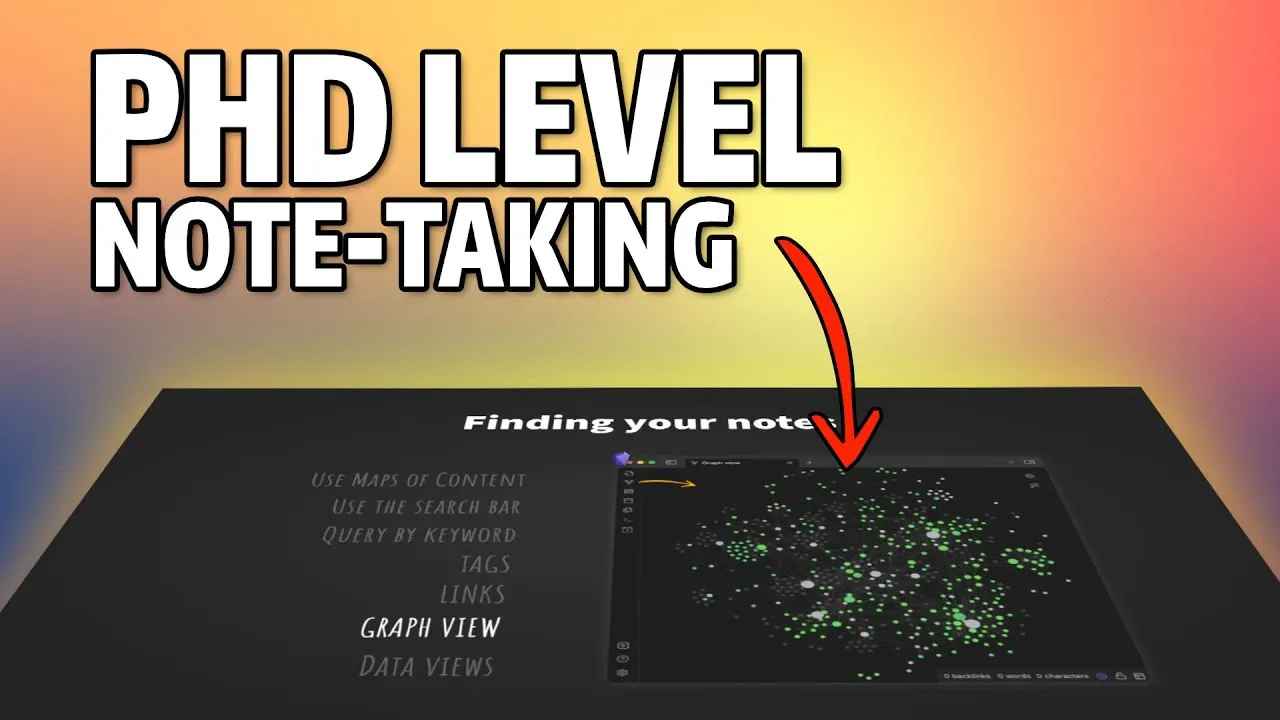
Supercharge your PHD research with this note-taking system
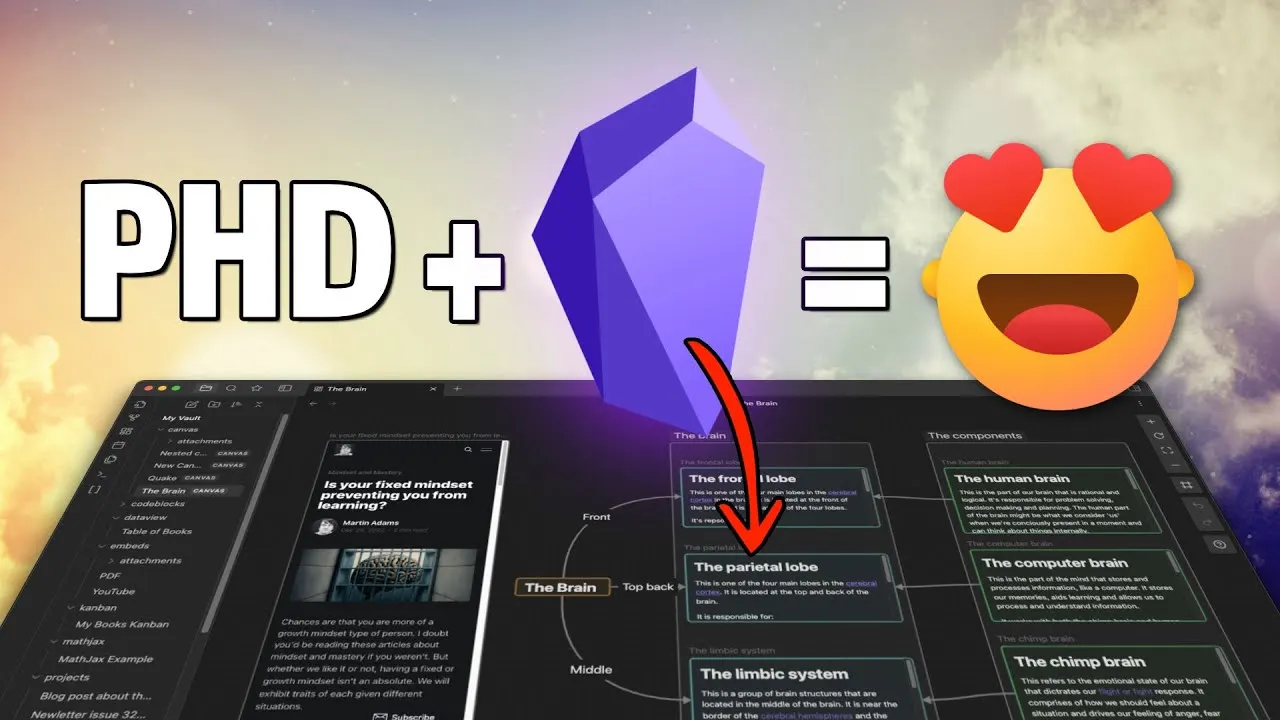
Unlock Your Research Potential: A Tour of Obsidian for PHD Students
Dec 2023
Atomic Note-Taking is published
Years of teaching, and hundreds of questions from readers and viewers, become a book: The Ultimate Zettelkasten Guide, in seven parts from knowledge management to apps.
The course
The method on video
The video course walks through the method lesson by lesson: 104 lessons in 9 sections, with the book as its companion.
The community
Learning with other thinkers
Questions from the YouTube channel and the community pages shape the book’s Student Q&A, and the community keeps teaching its teacher.
Today
600+ customers in 71 countries
Readers and learners from around the world are using the method to think more clearly and make original things.
2026
Atomic Workflows, version 2
The book, the course, a free series of short posts and the community come together in one place, rebuilt from the ground up.
YouTube
14.4k subscribers and 1.4 million views
70 videos on the channel, teaching the method in the open.
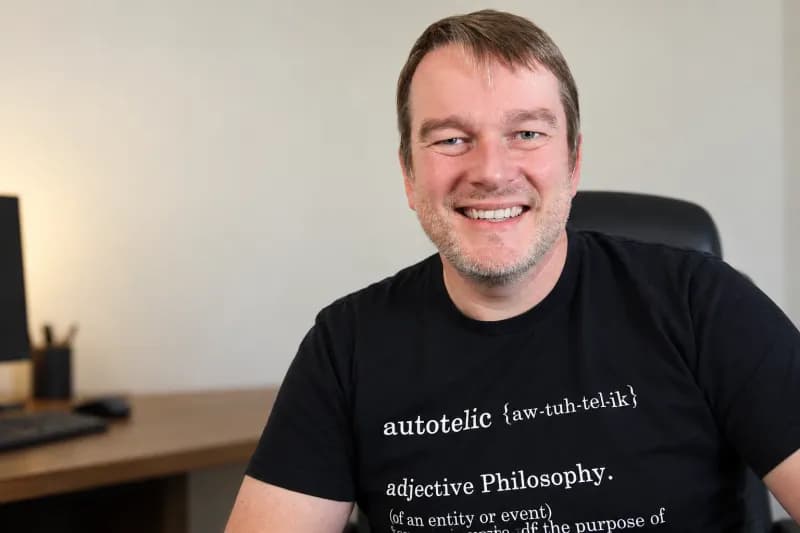
The founder
Hello, I’m Martin Adams.
I hated reading in school. My mind would drift as my eyes read the words. Then, in 2014, I tried audiobooks and was hooked. I became happier and more knowledgeable about a wide range of topics. This is the gift that I want to pay forward.
In 2020 I was on the hunt for a way to remember what I read, and I stumbled upon the Zettelkasten note-taking method. Suddenly everything clicked into place. I had a way to capture thoughts, ideas, knowledge and references.
I felt the book that introduced me to it lacked examples, so I turned to YouTube and started to create my own. As I shared what I was learning, others started to praise the clarity of how I presented it. Through building a community of like-minded learners, I’ve explored the depths of the system through teaching it. The book, the course and this site are the result.
Martin AdamsAuthor of Atomic Note-Taking · Founder, Meda
What we believe
Mission, vision and principle.
Mission
Help people turn what they read into what they know.
Vision
More people with the curiosity, confidence and habits to think for themselves and make something original.
Principle
Tools should serve your thinking, never replace it.
Principles behind what we teach
Principles behind what we teach
Ideas are easy to defend when they reinforce what we already believe.
Martin has published a personal Constitution for Thinking in Public. It is not a declaration of certainty or perfection, but a commitment to intellectual honesty, constructive disagreement and the pursuit of better understanding.
It shapes how the book, the course and this community are written and run: we look for the strongest opposing case, we say when we have something to sell, and we correct mistakes in public.
On YouTube
See how Martin teaches it.
The channel is where this started, and where new ideas are tried out first.
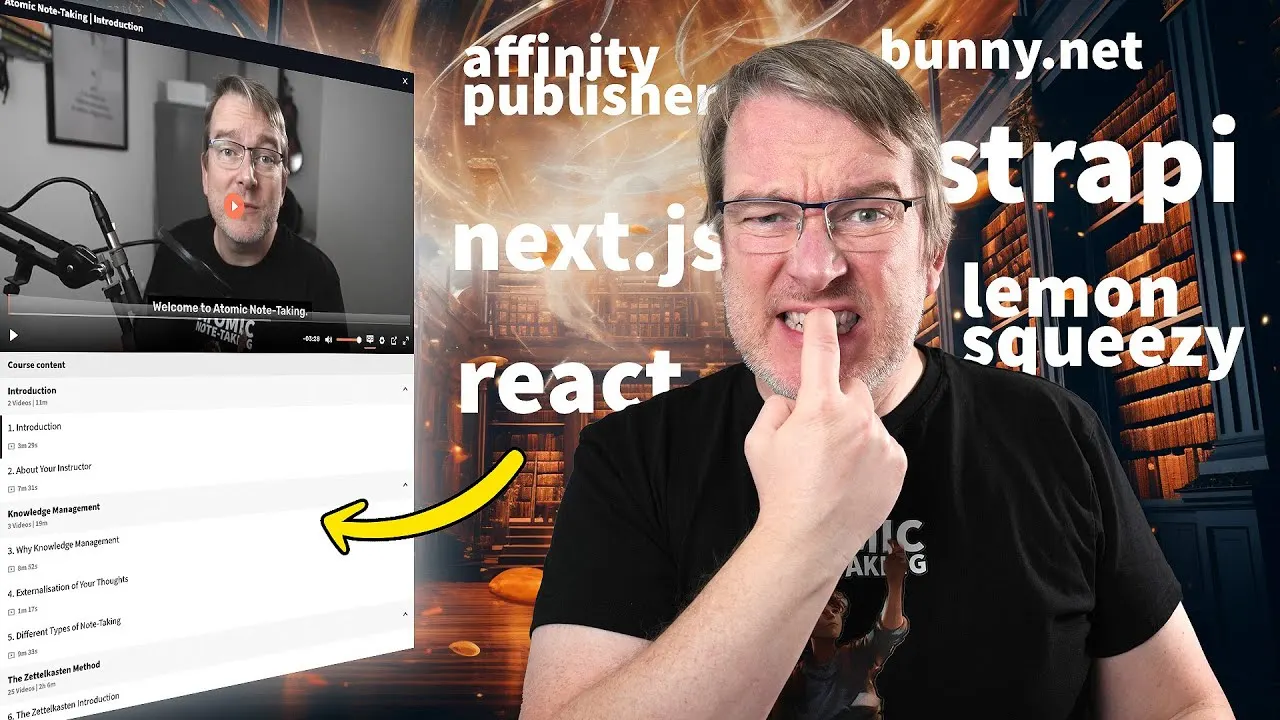
Self published book and course behind the scenes
How the book and course were made.
How to create fleeting notes from an article
The first step of the method, in practice.
Start where it suits you.
Read the book and take the course, or join the conversation with other people building their own systems.